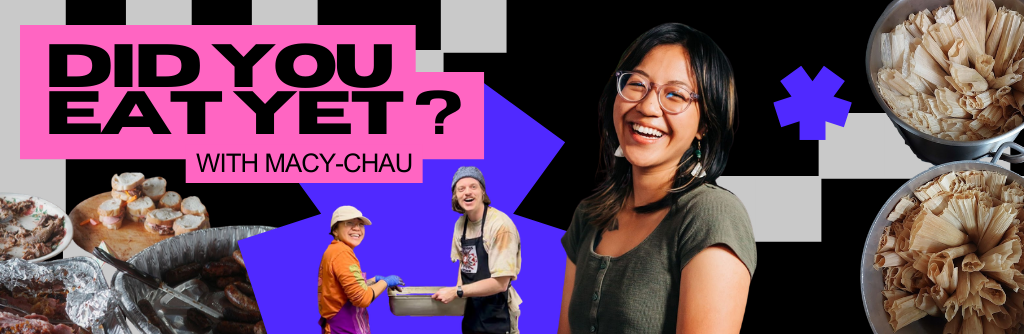
Hi friends, I’m Macy-Chau! I’m a Vietnamese-American organizer, writer, and restaurant kid of a 40+year Vietnamese food legacy in Minneapolis called Pho 79/Caravelle. I owe my love of food to the people who’ve raised me and taught me everything I know about good food, community, and cultural survival.
Like many organizers, I wear all sorts of hats. Some days, I’m a volunteer community chef, preparing meals that feed 200 people. Other days, I manage the Midtown Farmers Market, creating food access and providing harm reduction supplies to South Minneapolis. On days I’m feeling creative, I’m a collage artist and food & events writer. Despite these many spinning plates, the values that balance and ground me in my work are cultural education, food justice, and storytelling.
When the Vietnamese resisted French occupation in the 1800s, building fires to make warm rice would give away their location. The French would use the cooking smoke to find and attack their campsite, killing many Vietnamese soldiers. The Vietnamese were losing so many people that for a while, they tried to eat cold rice. However, eating cold rice plummeted morale among Vietnamese resistance troops. Many became cold and malnourished.
Instead of sucking it up and eating cold rice, the Vietnamese came up with a creative solution. They built a series of intricate, underground tunnels that would allow the cooking smoke to escape elsewhere, protecting their campsite, and ultimately, their people. This Hoàng Cầm stove was named after the soldier who invented it. It was so successful that it played an important role in the French military’s surrender, and continued to be of use throughout the war against American imperialism.
This is all to say: I come from a lineage of peoples who understand the ways in which warm food can fuel a revolution. Food is not only a means for energy. It is comfort, safety, and cultural connection— all nourishment that is crucial to the sustainability and spirit of our movements. When I eat a bowl of rice, I am also eating the sun, the rain, and the ancient earth and all its history. A single grain of rice bridges our hungry bodies to an interconnectedness that is greater, older, and wiser.
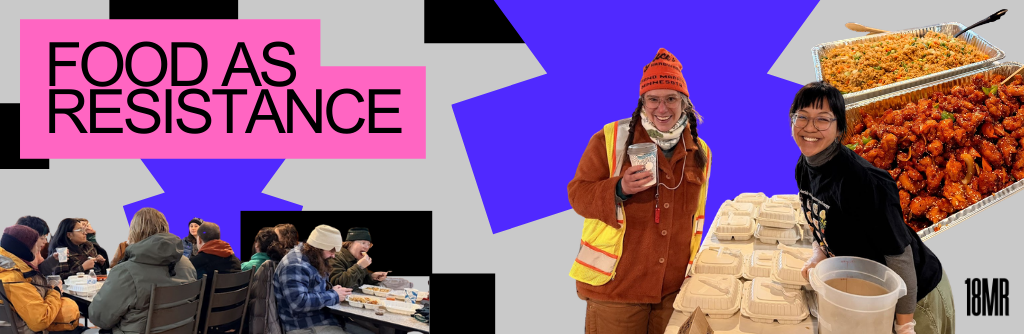
Since the federal occupation in Minneapolis, my home has become a hub for free meals for my friends who are out in -20 degree temperatures observing ICE and patrolling our streets. When they arrive, exhausted and cold, don’t talk to me about turkey sandwiches and potato chips. I’m busy casting protective spells over giant, simmering pots of congee, smoky, wok fried noodles, steaming bowls of fiery curry, and of course, warm rice.
The work of food organizers is asking and responding to the question: How can I make food that will love my community, from the inside out? How can I make food that will inspire my community to not only have the energy, but the spirit to go out on the streets another day?
I ask myself these questions when I am wrapping 200 tamales at 9pm, surrounded by community. Our busy hands and laughter seal each tamale with a blessing. In the morning, when they are distributed, someone hungry will open their free bag of food. Within, the scent of steamed masa reaches for them, guiding them towards connection, towards home, towards love.
I ask myself these questions two days after the murder of Alex Pretti, as I am packing over 100 containers of fried rice at my family’s restaurant – half a block away from the murder site. Surrounded by my bustling cousins, aunties, and uncles filling coffee cups with pho broth and sauce containers of homemade chili oil, I am beaming with pride. Neighbors file in for free lunch, sitting side by side as they share stories of their detainment, their witnessing, and their love for our city. In this moment, through food, fear is nowhere to be found.
Food justice organizers are not only feeding people. They are nourishing a movement with so much more. We use food to weave threads of community care so that when someone brings a bowl of rice to their mouths, they know that they are not alone. They know that they are strengthened by the love of the sun, the rain, and their community.
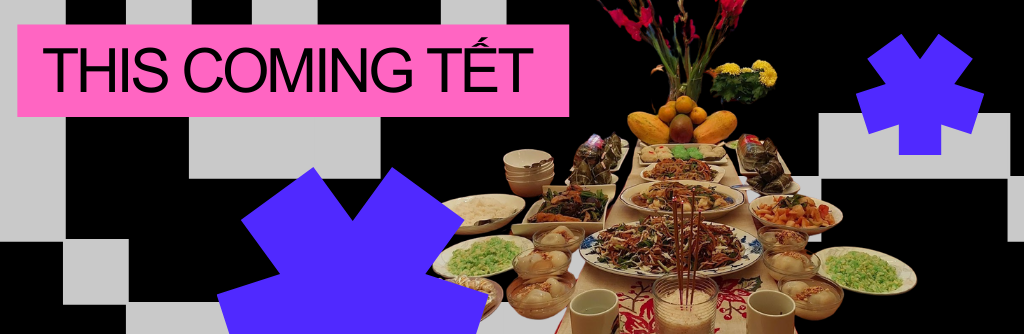
Tet is not only cultural, it is political. It’s a yearly reminder to ground ourselves in what really matters— ancestral wisdom, food, rest, and celebration. Did the Vietnamese stop celebrating Tet under French or American occupation? Hell no! No one can rob us of that resistance.
At the same time, we must confront the reality that families are being violently separated and that ICE is murdering our neighbors. Tet, in this sense, is the perfect time to balance both truths: that there is suffering in the world, and that community celebration is medicine for our spirits.
So, as you prepare for Tet, I invite you to ask yourself: How can your Tet celebrations honor both the grief and joy that comes with the struggle for freedom? What can we learn from our ancestors to inform our vision for our collective future? How will we harness the energy of the fire horse year for our resistance?
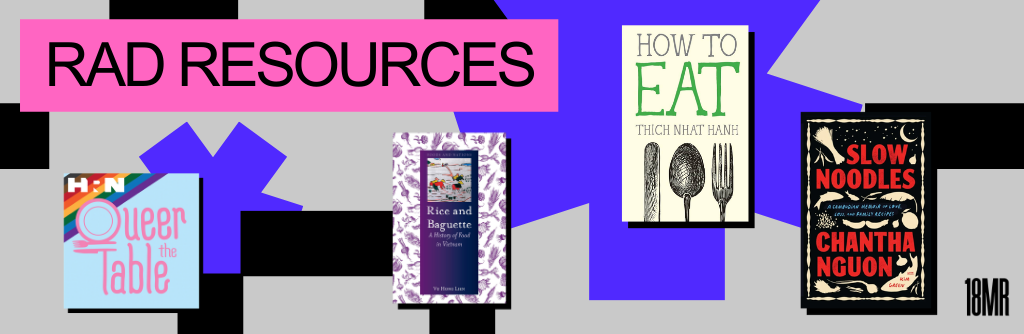
- This memoir was one of my top books of 2025, launching me into a deep dive of Khmai food. It’s a powerful story of genocide and survival, all through the lens of the food made and eaten throughout Chantha Nguon’s life.
- How to Eat, by: Thich Nhat Hanh is a small book of wisdom that invites us to be present with our food, ourselves, and each other. I often turn to a random page in the book before a meal or a dinner party and read it out loud before eating to ground and bless the meal. The video is just a small snippet of what the teachings in the book are like.
- I read “Rice and Baguette: A History of Food in Viet Nam” when I lived in Viet Nam, and it deepened my understanding of Vietnamese food legacies and resistance. This is where I learned about the Hoàng Cầm stove, mentioned earlier!
- The podcast Queer the Table helped me recognize how queerness and food intersect to create an ethos for radical hosting grounded in chosen family, belonging, and creative expression.

There are dozens of ways to get involved and organize. From getting to know your neighbors to supporting mutual aid work to calling on corporations to cut ties with ICE.
At 18MR, we’re launching a campaign to take on Enterprise! Take a minute and tell Enterprise: no cars for ICE cruelty!
The year of the Fire Horse means we’re entering a bold, transformative year. With the increased ICE presence and raids across the U.S., community members continue to organize and mobilize to protect each other. Join us next week to learn about what’s been happening in Minnesota and how to melt 🧊.
In solidarity,
Macy-Chau + Leyen, Sunee, Sonia, Turner, Van, Sharmin, Allison, and Irma – the 18MR Team
P.S. If you’ve enjoyed reading our monthly newsletter, would you chip in $5 so we can keep inviting rad guest editors?