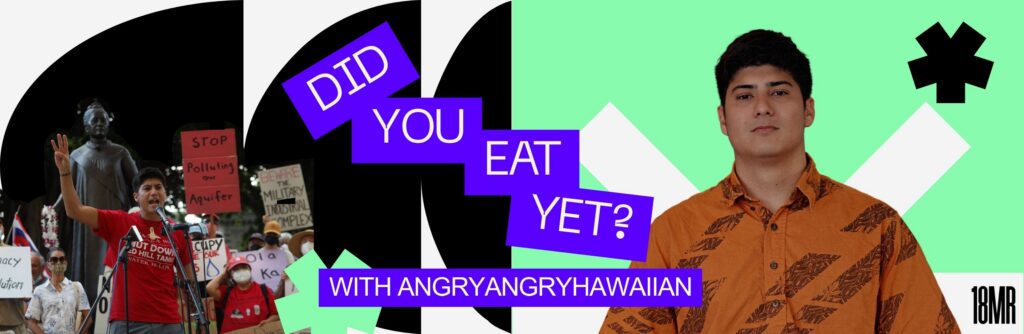
Aloha mai kākou. My name is Kawenaʻulaokalā Kapahua, from the island of Oʻahu in Hawaiʻi. I’m a union organizer by trade and an organizer in the Hawaiian Independence movement.
I’m one of many Hawaiians engaged in the struggle for our national independence from the United States. A national struggle born from the illegal occupation of our nation since their coup in 1893.
This is the driving force behind any political work I do. Without our political sovereignty we cannot deliver justice for the working class. We cannot protect our environment. We cannot end the use of our homeland to enact US military aggression across the world.
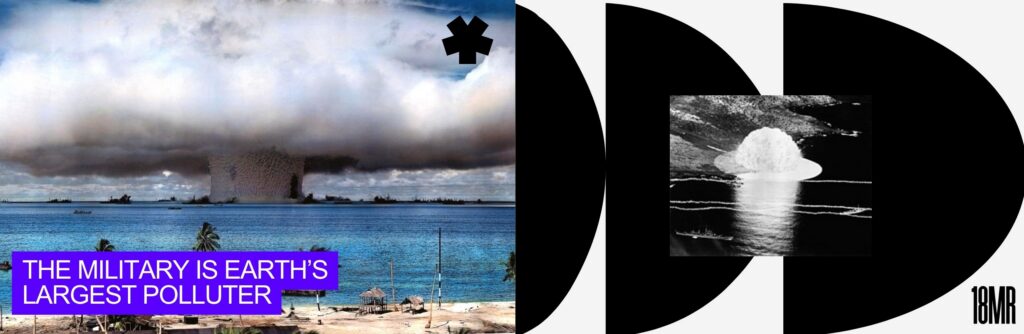
In 1946, the United States military dropped a nuclear weapon on Bikini on the Marshall Islands as part of a nuclear test. It rendered an entire area of planet Earth unsafe for human habitation. Residents dealt with radiation poisoning, birth defects, leukaemia, thyroid and other cancers since. No amount of recycling or renewable energy will ever bring back a people’s homeland.
The U.S. has waged numerous wars of aggression after the Bikini Atoll nuclear tests. Scattered unexploded ordinances across Southeast Asia still kill people, even children, to this day. People in Iraq experience birth defects caused by the depleted uranium munitions. The poisoning of water sources such as the 2021 Red Hill Fuel Leak in Hawaiʻi, contaminated the main aquifer for an island of nearly 1 million. And most recently, the war against Iran used white phosphorus across Palestine, Lebanon, and Iran causing immense suffering and destruction. This is the operating norm of the greatest threat to life on our planet. Not just because wars kill, but because the military kills even when it’s not at war.
Climate catastrophe has been cast as a doomsday scenario that marches ever closer. This is wrong. It is already here. Pacific islands have felt the effects on the environment for at least a century. In Hawaiʻi, we’ve had whole islands in our archipelago bombed so hard they were rendered incapable of holding fresh water. Farming areas & aquaculture have been destroyed by military bases. That’s all before awareness of climate change was widespread. And it’s only accelerated since then. But the scale of the danger necessitates action, not our surrender.
Just as labor action requires all of us, only collective action can bring about a world where we end the threat of military destruction to our environment. The ongoing war against Iran, Lebanon, and Palestine is a war against all of our futures. Every bomb dropped kills people in the present and in the future. The longer it takes us to put an end to the violent destruction of both nations and our planet, the longer we will have to spend making up for the crimes of the past, against both humanity and nature.
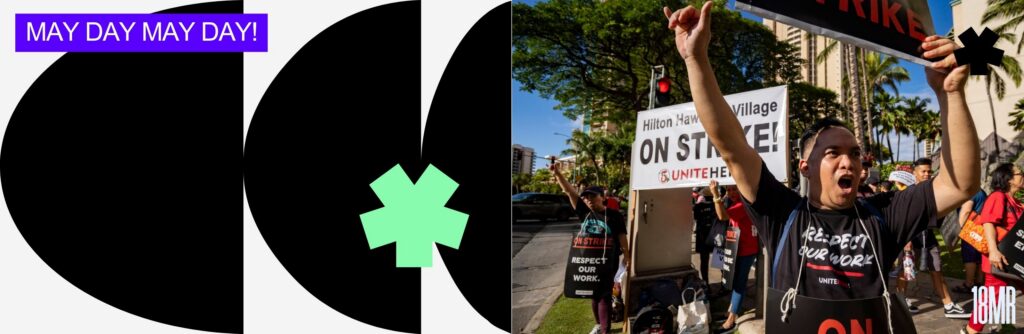
As the decline of Capitalism gets worse, the more desperate workers become. The types of jobs or industries may have changed, but the struggle of workers everywhere remains the same. What has changed is how organized we are to confront what lies ahead of us. Each day, we’re inundated with news: U.S. aggression overseas, AI taking jobs, and workers being laid off with no alternatives. What this era of Capitalism lacks is an organized working class to push back on every issue affecting our lives. Whether they be economic, war, racism, or any other oppression.
May Day’s legacy comes from the mass working class struggles of the Gilded Age and the early 20th century. The recent surge of union organizing in the United States led by Starbucks workers, the United Auto Workers, and the Teamsters, leans on that history. We know that when workers are organized, we can take on the powerful.
None of these labor struggles are purely about the workplace. But because our identities as workers is what most of us share, it must be a part of our organizing. In union organizing, we call this “whole worker organizing.” It’s the idea that a worker doesn’t cease to be a worker when they go home at the end of the day. Therefore, their struggles outside the workplace matter as much as those at work. The reverse is also true. Every oppressed community, be that ethnic or sexual orientation or otherwise, are all workers. So it cannot be left unaddressed. The struggle against climate change is a struggle to decouple workers’ economic needs from the industries that destroy the planet and from the industries that profit off of war.
In Hawaiian, we have a saying: “I ka wā ma mua, i ka wā ma hope.” The future is in the past. It says we have to know our history to know how to step into the future; it is no different with the labor struggle. The answer to strife and repression has always been to fight back. Luckily, we have a history of pickets, walk-outs, and general strikes to learn from. No labor tactic is easy, and no effective tactic is without risks. But if we dream of a better world we have to confront that the way there is through struggle, not around it.
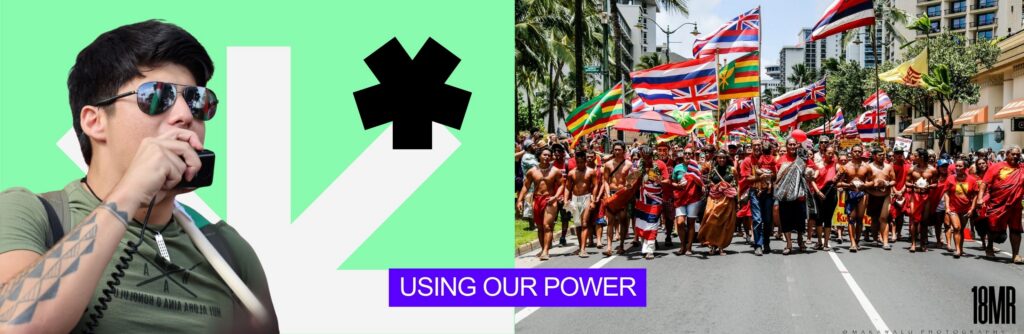
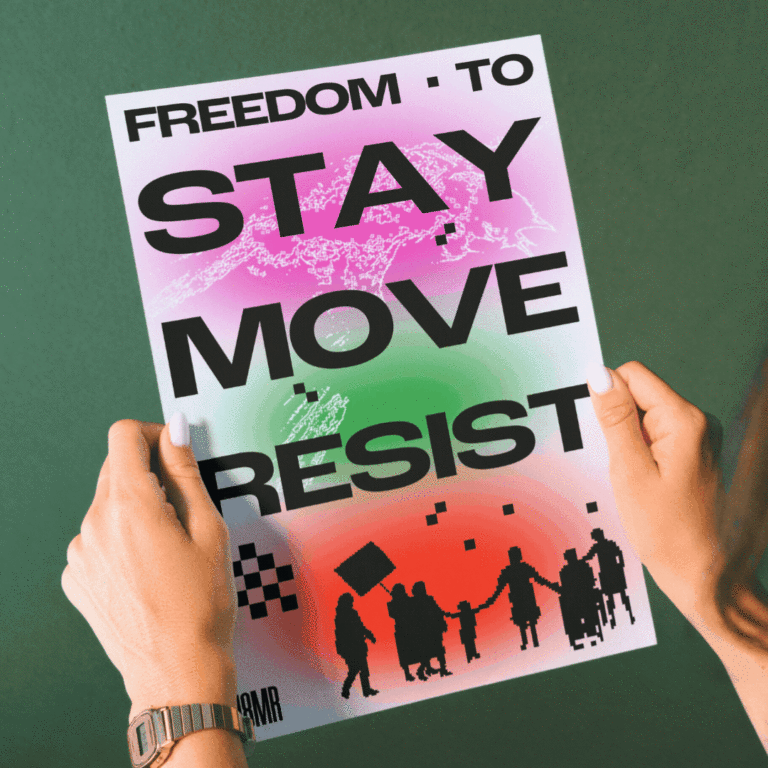
After the historic records of hundreds of thousands of Minnesotans rallying for No School, No Work, No Shopping in January, hundreds of cities across the U.S. are joining the call this May Day. Find a local action to rally and bring a friend! (And maybe our Freedom to Stay Move Resist poster too?)
And if you can’t make it to the rally, how about checking in with your favorite local business and see if they can close on May Day?
After the overthrow of the Hawaiian Kingdom in 1893 by the US Military, Hawaiʻi has been a major hub for the American military to launch wars and train fellow militaries. We consider American ownership of Hawaiʻi to be an illegal occupation of our country. In 2029, the leases expire on 40,000 acres of land in Hawaiʻi occupied by the US military. These lands hold some of the most important military bases in the region. This is a massive opportunity for us to challenge military control of Hawaiian lands and weaken the illegal occupation of Hawaiʻi and the Pacific, you can help by signing the petition here: Cease the Lease!
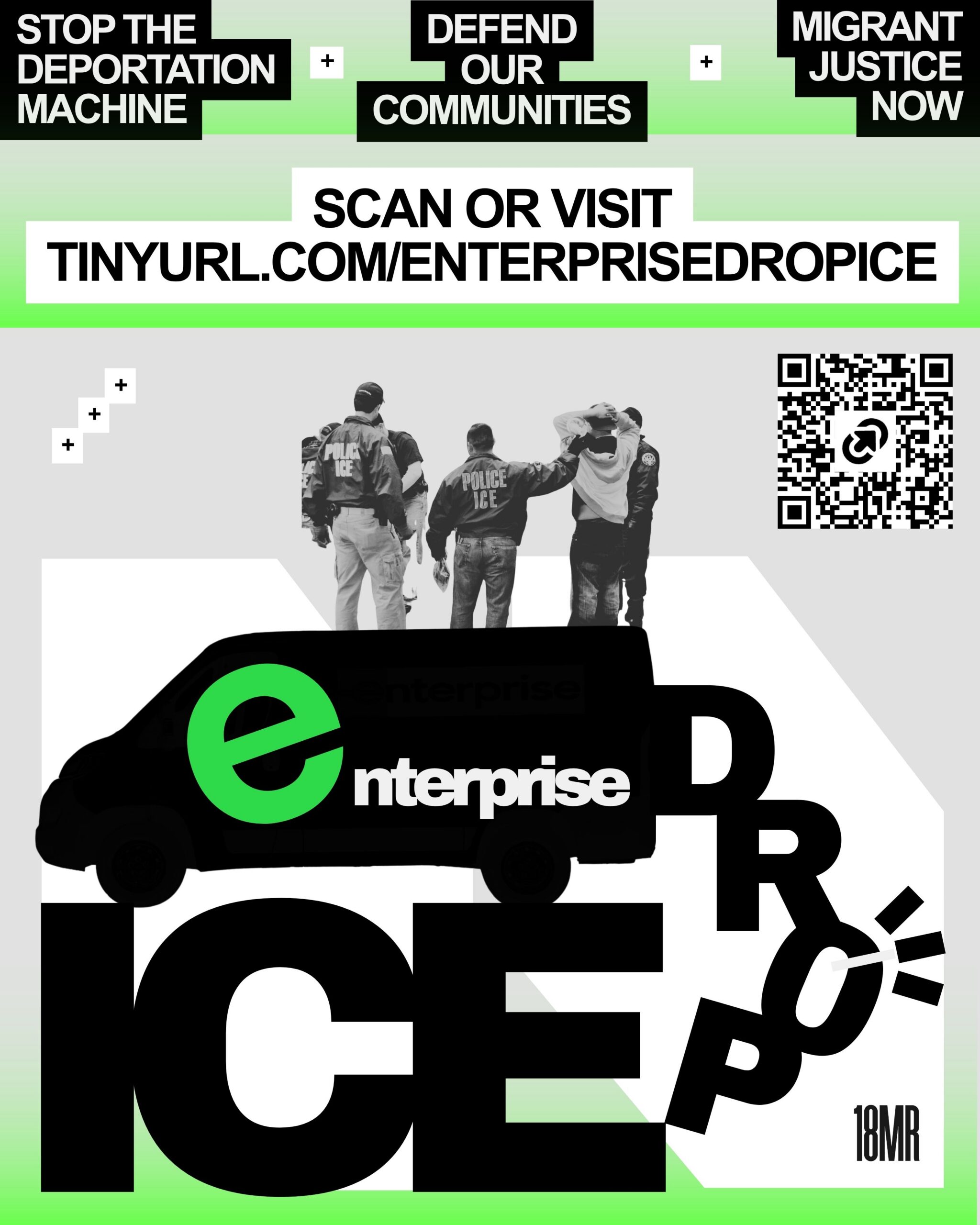
Lastly, have you sent a letter to Enterprise CEO Chrissy Taylor yet? Take a minute to make sure she knows we demand Enterprise end their collaboration with ICE!
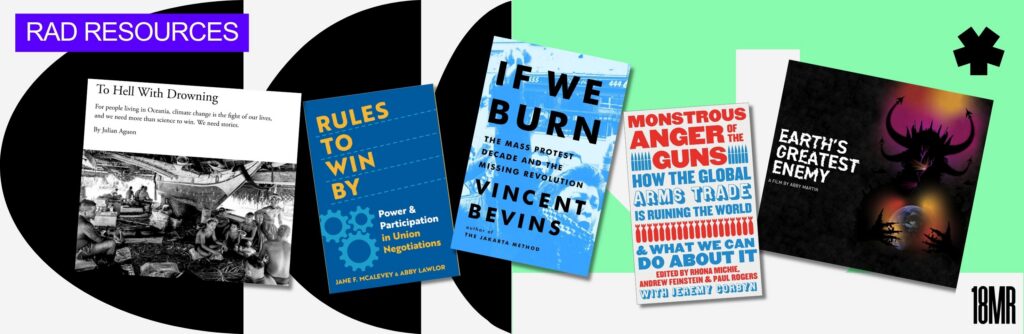
Rules to Win By by Jane McAlevey is a guidebook to labor organizing written by a legend of the labor struggle. I often refer to McAlevey as my “lord and savior” because of the way her teachings have transformed multiple unions I’ve been a part of.
If We Burn by Vincent Bevins is an analysis of the mass protest movements of the 2010s, why many of them sadly failed, and shares the lessons they learned when it comes to how we need to organize to win. This book helps remind me that we aren’t supposed to just plan protests, we need to build political power
Monstrous Anger of the Guns is a collection of essays by scholars and organizers from around the world struggling against the global arms trade and what we can do about it. The essays in this book helped educate me on the intricacies of the arms trade and the damage it does to our world, beyond even what you expect.
To Hell with Drowning by Julian Aguon, is an article about the stories of climate catastrophe in the Pacific. I read this whenever I need to tap into some righteous rage about the climate crisis and my home ocean.
Earths Greatest Enemy is a film by Abby Martin and Mike Prysner exposing the US military as the worst polluter on the planet. It partially covers the struggle against the Red Hill fuel facility which was poisoning the water of my home island.
In Solidarity,
– Kawenaʻulaokalā & Leyen, Sharmin, Sunee, Sonia, Turner, Van, Allison, & Irma – the 18MR Team